


Why Diabetic Eye Exams Are Critical: Detecting Problems Before Symptoms Appear
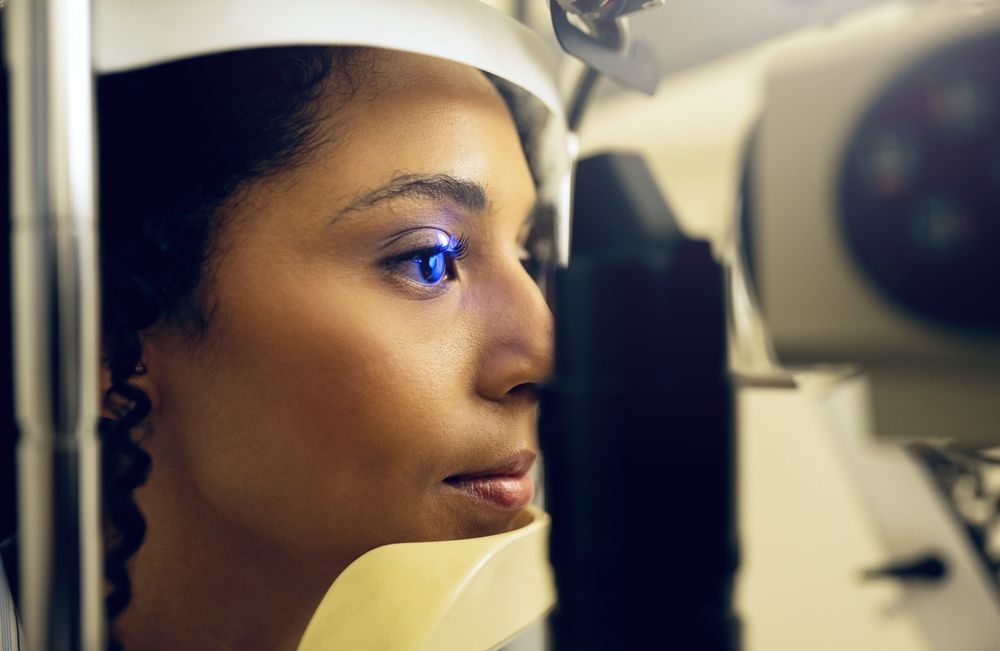
Living with diabetes requires constant attention to your health, from monitoring blood sugar to managing diet and lifestyle choices. One area that often doesn’t get enough focus is eye health. Many people with diabetes feel confident about their vision because they can still see clearly - but that can be misleading. Some of the most serious diabetes-related eye conditions develop silently, without early warning signs.
How Diabetes Affects the Eyes
Diabetes can damage the small blood vessels throughout the body, including those in the eyes. Over time, high blood sugar levels can weaken, block, or cause leakage in these delicate vessels, leading to progressive eye disease. Because these changes often happen gradually, you may not notice anything is wrong until significant damage has already occurred.
The Silent Nature of Diabetic Eye Disease
One of the most dangerous aspects of diabetic eye conditions is that they frequently develop without pain or noticeable symptoms in their early stages. Conditions such as diabetic retinopathy can begin years before vision changes are obvious. By the time symptoms like blurred vision, floaters, or dark spots appear, the disease may already be advanced. Regular diabetic eye exams allow eye care professionals to detect subtle changes long before they affect your day-to-day vision.
What a Diabetic Eye Exam Can Detect
A diabetic eye exam goes beyond a basic vision test. It allows your eye doctor to evaluate the health of your retina, blood vessels, and optic nerve. These exams can help detect:
- Diabetic retinopathy
- Diabetic macular edema
- Early signs of glaucoma
- Cataracts that may develop earlier in people with diabetes
Early detection makes a significant difference. When caught early, many diabetic eye conditions can be managed or slowed with proper treatment and monitoring.
Early Detection Protects Your Vision
Vision loss from diabetes is often preventable. The key is timing. Identifying problems before symptoms appear gives your eye doctor the opportunity to recommend treatments, lifestyle adjustments, or more frequent monitoring to protect your eyesight.
How Often Should You Get a Diabetic Eye Exam?
Most people with diabetes should have an eye exam at least once a year. However, depending on your overall eye health, blood sugar control, and any existing eye conditions, your eye doctor may recommend more frequent visits. Annual exams create a timeline of your eye health, making it easier to spot changes early.
Schedule Your Diabetic Eye Exam Today
Diabetes-related eye disease doesn’t wait for symptoms to appear before causing damage. Regular diabetic eye exams are one of the most powerful tools you have to protect your vision long-term. By detecting issues early, you give yourself the best chance to preserve clear, healthy sight for years to come.
Contact VoloVision to schedule your diabetic eye exam and take a proactive step toward protecting your eyesight. Visit our office in Southampton, Pennsylvania, or call (215) 357-8330 to book an appointment today.


Copyright © 2026. All Rights Reserved. Privacy Policy - Sitemap
Powered by: 
