


Top 5 Risk Factors for Glaucoma You Shouldn’t Ignore
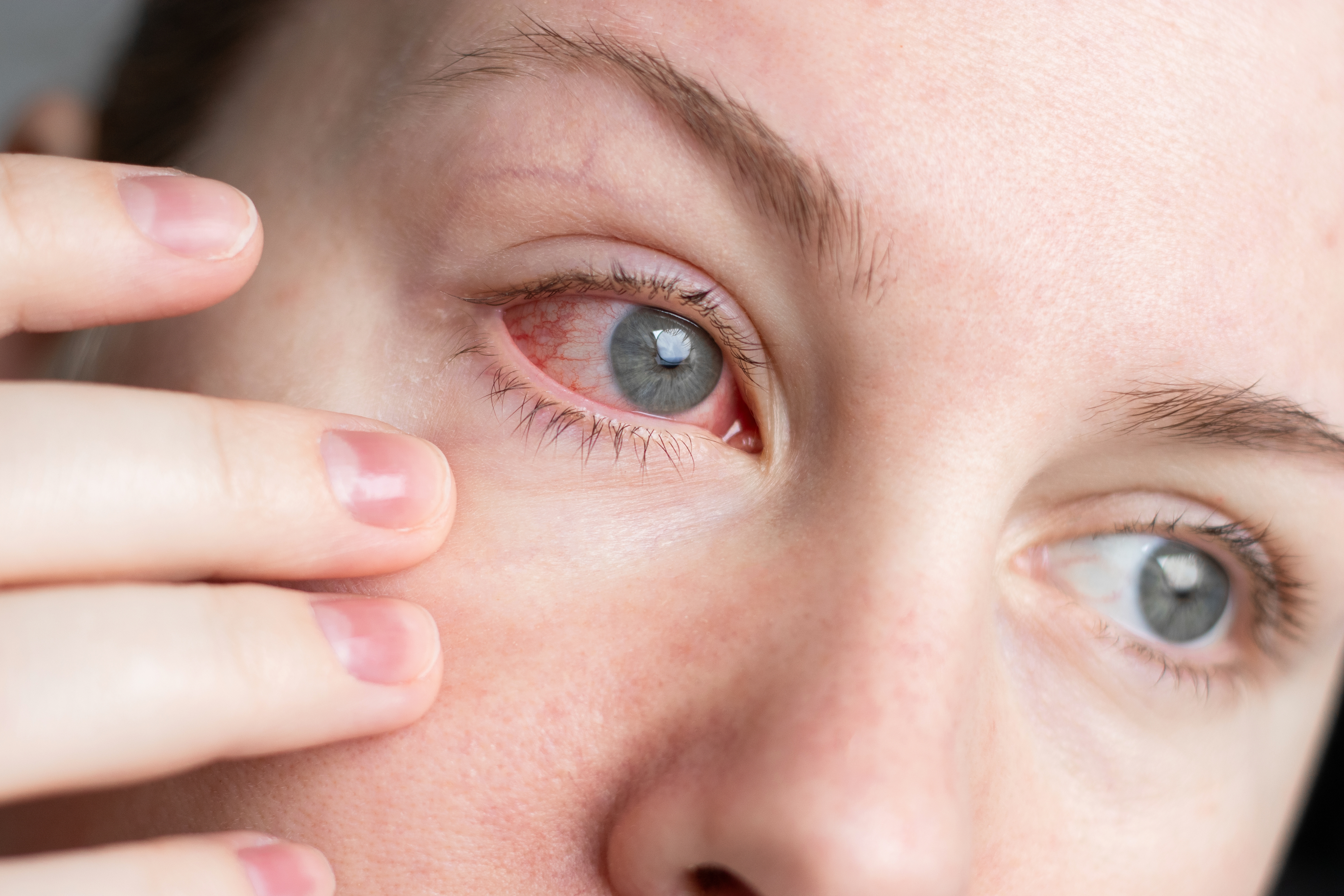
Glaucoma is one of the most important eye diseases to detect early because it can damage the optic nerve before noticeable symptoms appear. Many people do not realize they have glaucoma until vision loss has already begun. For patients in Southampton, routine comprehensive eye exams are an important part of identifying glaucoma risk factors and protecting long-term vision.
At VoloVision, glaucoma evaluation is part of medical eye care focused on prevention, monitoring, and early detection. Understanding your personal risk can help you know when to schedule an exam and why ongoing eye care matters.
What Is Glaucoma?
Glaucoma refers to a group of eye diseases that damage the optic nerve, which carries visual information from the eye to the brain. This damage is often linked to increased pressure inside the eye, but glaucoma can also occur when eye pressure is within a normal range.
Because glaucoma usually affects peripheral vision first, early changes may be hard to notice. That is why patients in Southampton should not wait for obvious vision problems before scheduling an eye exam.
1. Family History Of Glaucoma
A family history of glaucoma is one of the most important risk factors. If a parent, sibling, or close relative has been diagnosed with glaucoma, your own risk may be higher.
This does not mean you will definitely develop the condition, but it does mean regular eye exams are especially important. Your Southampton eye doctor can monitor your eye pressure, optic nerve appearance, and visual field over time to check for early changes.
2. Age Over 40
Glaucoma risk increases with age. While it can affect younger adults, it becomes more common as people get older. Adults over 40 should be especially mindful of routine eye care, even when their vision seems stable.
Many patients assume they only need an eye exam when their glasses prescription changes. In reality, a comprehensive exam can detect signs of glaucoma and other eye diseases long before they affect day-to-day vision.
3. High Eye Pressure
Elevated eye pressure is a major glaucoma risk factor. The eye constantly produces and drains fluid, and when that drainage system does not work properly, pressure can build inside the eye.
During a glaucoma screening, your eye doctor may measure eye pressure and evaluate the optic nerve for signs of stress or damage. High eye pressure does not always mean someone has glaucoma, but it does require careful monitoring.
Key glaucoma risk factors may include:
- Family history of glaucoma
- Age over 40
- High eye pressure
- Diabetes, high blood pressure, or other health conditions
- Previous eye injury, long-term steroid use, or certain eye anatomy differences
4. Certain Health Conditions
Your overall health can affect your eye health. Diabetes, high blood pressure, poor circulation, and other vascular conditions may increase the risk of optic nerve damage or complicate existing eye disease.
Patients in Southampton who have diabetes or other chronic health concerns should keep up with regular eye exams. These visits allow your eye doctor to monitor for glaucoma, diabetic eye disease, and other conditions that may develop without early symptoms.
5. Previous Eye Injury Or Steroid Use
An eye injury can increase the risk of glaucoma, even years after the original trauma. Damage to the eye’s drainage structures may interfere with normal fluid flow and lead to pressure changes over time.
Long-term use of steroid medications can also increase eye pressure in some patients. This may include steroid eye drops, oral steroids, inhaled steroids, or other forms depending on the person. If you use steroids regularly, it is important to tell your eye doctor during your exam.
Why Early Detection Matters
Vision loss from glaucoma cannot usually be reversed, but early diagnosis and treatment can help slow or manage progression. This may include prescription eye drops, laser treatment, surgery, or careful monitoring depending on the type and severity of glaucoma.
A comprehensive eye exam may include eye pressure testing, optic nerve evaluation, retinal imaging, visual field testing, and other diagnostic tools. These tests help your Southampton eye doctor identify changes that may not be noticeable on your own.
When To Schedule A Glaucoma Exam
You should schedule an eye exam if you have a family history of glaucoma, are over 40, have diabetes or high blood pressure, have experienced an eye injury, or have been told your eye pressure is elevated. You should also seek care if you notice vision changes, eye pain, halos around lights, or sudden blurry vision.
Even without symptoms, regular eye exams are one of the best ways to detect glaucoma early and protect your sight.
Schedule a glaucoma evaluation with VoloVision in Southampton, PA, located at 950 Industrial Blvd., by calling (215) 357-8330.


Copyright © 2026. All Rights Reserved. Privacy Policy - Sitemap
Powered by: 
